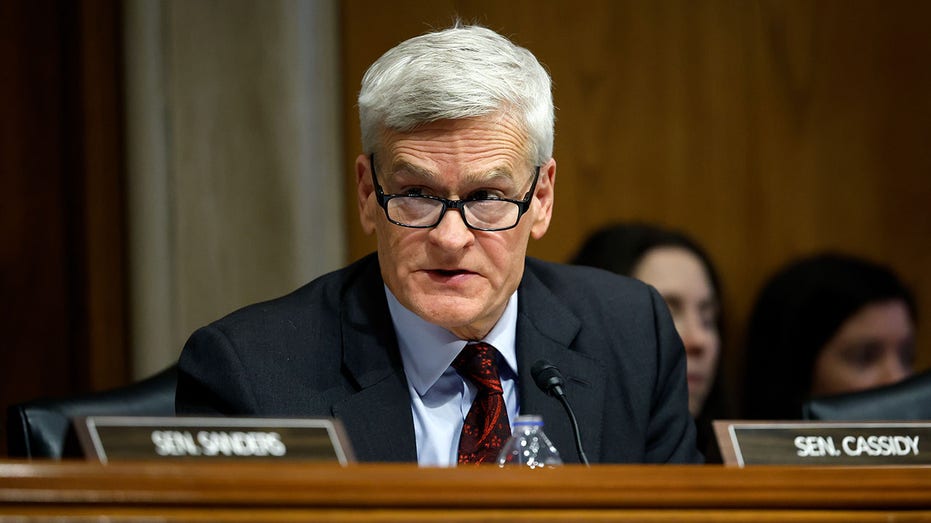
Senator Bill Cassidy, a physician himself, has sharply criticized a recent recommendation from the Centers for Disease Control and Prevention’s advisory panel regarding newborn hepatitis B vaccinations. He argues the proposed change – shifting to “individual-based decision-making” for the vaccine – represents a dangerous step backward in public health.
The CDC’s Advisory Committee on Immunization Practices (ACIP) voted to suggest parents discuss the risks and benefits with their doctors, potentially delaying the first dose of the hepatitis B vaccine until a child is two months old. Cassidy, however, believes this approach undermines decades of progress in preventing the spread of this serious liver infection.
Cassidy, who has treated hepatitis B patients for years, directly stated the change is “a mistake.” He emphasized the vaccine’s proven safety and effectiveness, clarifying that the initial dose has always been a recommendation, not a requirement.
Before the widespread recommendation for newborn vaccination, approximately 20,000 babies were born with hepatitis B annually. That number has plummeted to fewer than 20 cases per year thanks to the current vaccination schedule – a statistic Cassidy fears will reverse if the new guidance is adopted.
He warned that ending the routine newborn dose will inevitably lead to a resurgence of infections, ultimately making the nation less healthy. Cassidy directly appealed to the acting CDC Director, urging her to reject the new recommendations and maintain the current, evidence-based protocol.
The Senator also leveled criticism at Aaron Siri, an attorney involved with a recent presidential campaign and known for legal challenges against vaccine manufacturers. Cassidy questioned Siri’s expertise, characterizing him as a trial lawyer profiting from lawsuits against vaccine companies.
Cassidy further suggested the ACIP’s credibility is compromised, accusing the committee of failing to prioritize the well-being of children. This isn’t the first time Cassidy has publicly challenged health policy decisions; he previously condemned cuts to mRNA vaccine development funding, viewing it as a betrayal of efforts to improve national health.
The core of Cassidy’s argument rests on the demonstrable success of the current vaccination program and a deep concern that shifting to a more discretionary approach will jeopardize the hard-won gains made in eradicating this potentially devastating disease.


![NARCO-BOAT SHOWDOWN: Coast Guard SNIPERS Deliver JUSTICE! [VIDEO]](https://static.foxnews.com/foxnews.com/content/uploads/2025/12/operation_pacific_viper_dhs.gif)


