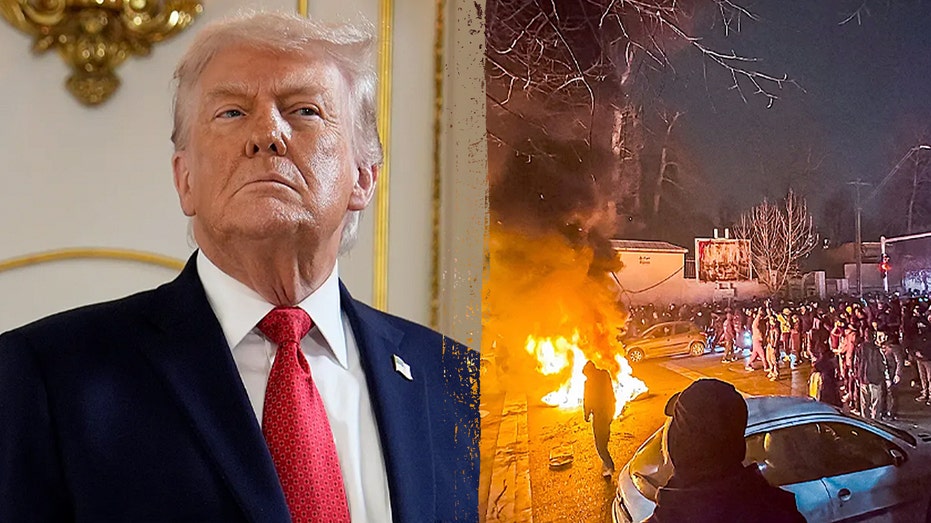
A stark denial from Iran’s top prosecutor has thrown into question claims made by a world leader regarding the fate of hundreds of imprisoned protesters. The prosecutor vehemently refuted assertions that Tehran halted planned executions in response to external pressure, specifically dismissing the idea that a significant number of demonstrators were spared from death.
The core of the dispute centers on the alleged cancellation of executions for as many as 800 detained individuals following widespread anti-government unrest. The prosecutor, a high-ranking cleric and judge, insisted such a figure is fabricated and that the judiciary operates independently, impervious to foreign influence. He previously labeled protesters as “enemies of God,” a designation carrying the ultimate penalty.
This rejection arrives amidst heightened tensions, with the leader previously warning Iran of “consequences…more severe than recent U.S. strikes” should the executions proceed. He publicly stated that his warnings prompted Iran to halt the planned executions, a claim now directly challenged by Tehran.
The White House maintains that the leader’s intervention demonstrably saved lives, asserting that protesters scheduled for execution were spared as a direct result of his warnings. However, officials have remained tight-lipped about the source of this information, fueling skepticism and raising questions about the accuracy of the initial assessment.
The situation has reopened debate about the effectiveness of public pronouncements and the potential for miscalculation. Security officials previously suggested any restraint shown by Iran stemmed from concerns about retaliation against U.S. forces and allies, rather than a genuine concession.
Adding to the gravity, the leader has signaled a willingness to escalate military presence in the region, stating that a powerful “armada” is en route to Iran. He warned Iranian envoys that any resumption of executions would be met with a response far exceeding previous actions, hinting at a devastating outcome.
The Abraham Lincoln carrier strike group, equipped with advanced fighter jets and missile systems, is currently transiting toward the Middle East, placing substantial U.S. military power within striking distance of Iranian shores. This deployment underscores the seriousness of the situation and the potential for a rapid escalation.
While the official death toll reported by Iranian state television exceeds 3,000, activists and human rights groups believe the actual number of fatalities is significantly higher. This discrepancy highlights the regime’s tight control over information and the difficulty in verifying events on the ground.
By explicitly linking U.S. military action to the fate of the detained protesters, a clear and potentially dangerous line has been drawn. Iran’s denial of any external influence, coupled with the advancing U.S. naval forces, creates a volatile environment where both sides are testing the limits of the other’s resolve, raising the specter of a wider conflict.