A brutal arctic blast has gripped much of Canada, unleashing a wave of flight disruptions and prompting urgent warnings for residents to brace for extreme conditions. The deep freeze isn't just a matter of discomfort; it's a dangerous reality impacting travel and daily life across the nation.
Airports in major cities like Toronto and Montreal are experiencing significant delays and cancellations as the extreme cold strains operations. Passengers are being advised to verify their flight statuses before venturing to the terminals, facing the possibility of altered travel plans.
The culprit is a powerful polar vortex, plunging wind chills to a staggering -30C to -55C across vast stretches of the country. This isn't a short-lived event; the frigid temperatures are forecast to persist throughout the weekend, demanding heightened vigilance.
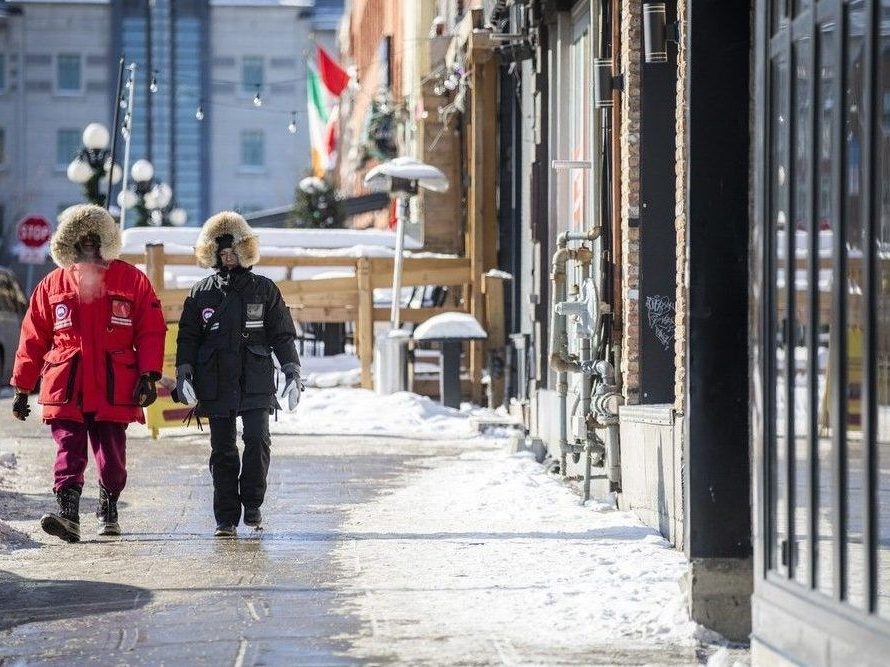
The impact extends far beyond travel. In Eastern Alberta, wind chill values are expected to remain dangerously low, between -40C and -45C, throughout the weekend. Saskatchewan, Manitoba, and parts of Northwestern Ontario are bracing for even more severe conditions, with wind chills potentially reaching -55C.
Schools and buses have been cancelled in Regina and parts of Manitoba, prioritizing the safety of students and staff. Regina is also deploying a warming bus to travel between shelters, offering refuge to those in need until Monday.
Ontario and Southern Quebec are also feeling the bite, with wind chill values ranging from -30C to -45C expected to last until Sunday morning. The sheer intensity of the cold poses a serious risk of frostbite and hypothermia.
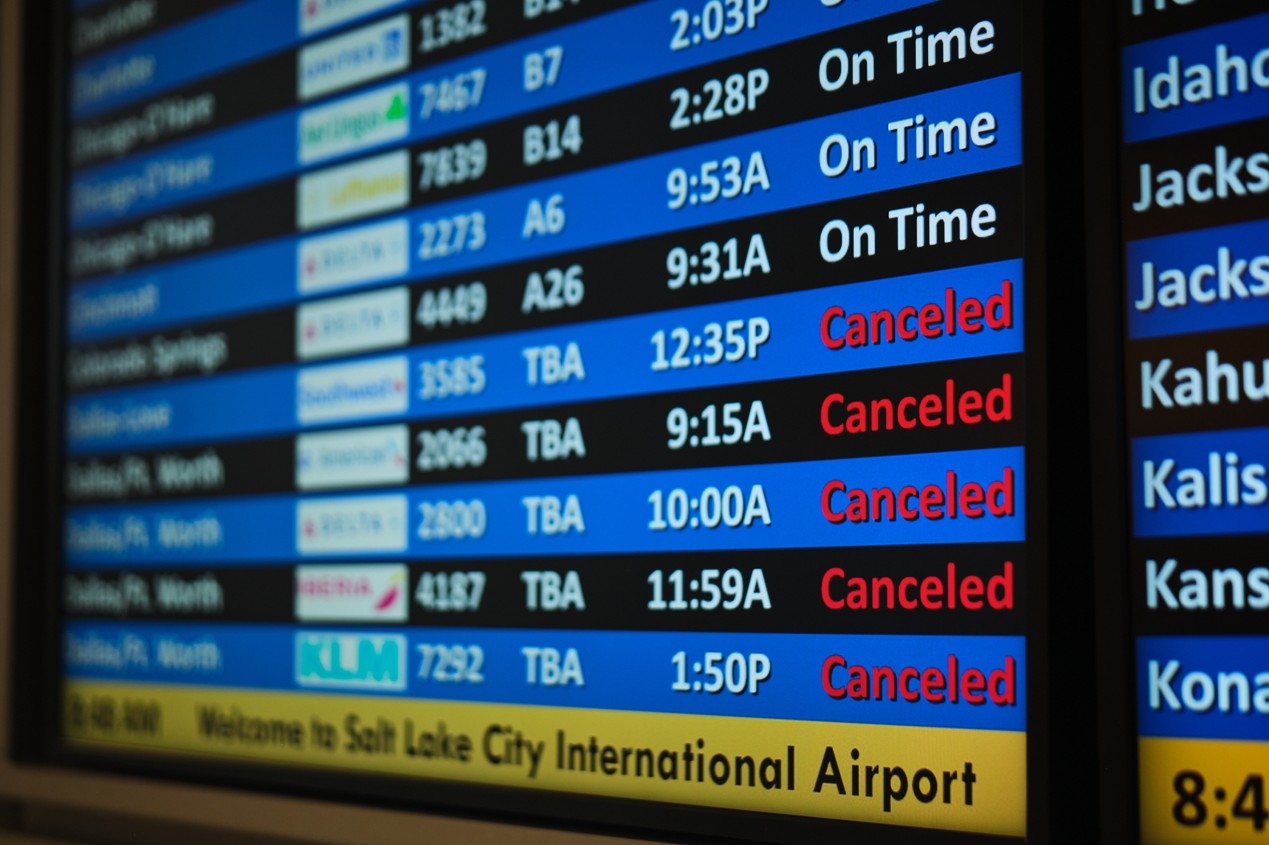
The winter storm isn't confined to Canada’s borders. More than 12,000 flights across the United States have already been cancelled as a major winter storm descends upon the country, compounding the travel chaos.
Southwestern Ontario and the Greater Toronto Area are bracing for a significant snowstorm on Sunday, with forecasts predicting 15 to 30 centimeters of snowfall and blowing snow. This additional layer of severe weather will further complicate conditions.
Cities are responding with increased support for vulnerable populations. Toronto is keeping warming centers open, providing temporary shelter, and deploying outreach teams to conduct wellness checks on those experiencing homelessness, urging them to seek safety indoors.
The strain on infrastructure is also a concern. In the Atlantic provinces, Newfoundland and Labrador Hydro and Nova Scotia Power have issued warnings, urging residents to conserve electricity to prevent the power grid from being overwhelmed by the increased demand.
This widespread and intense cold snap is a stark reminder of the power of nature and the importance of preparedness. Protecting oneself and checking on vulnerable neighbors are crucial during this dangerous period.