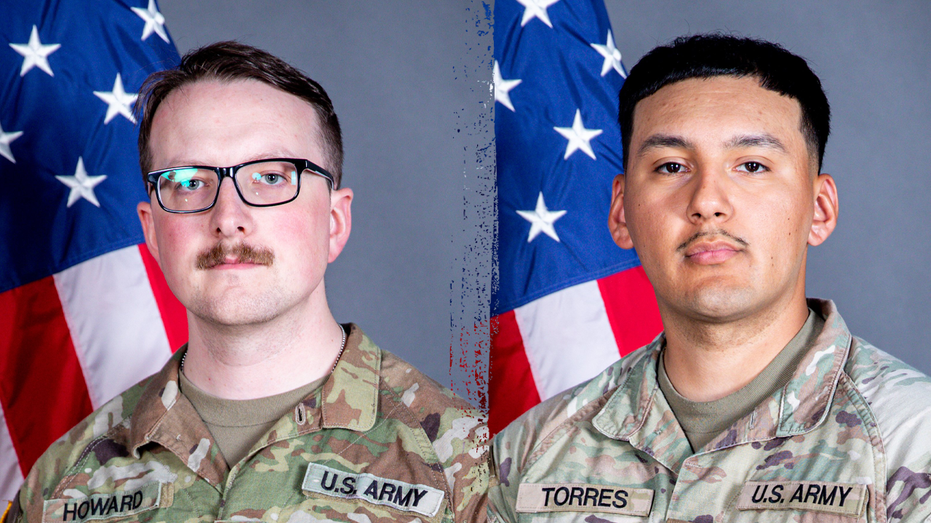
The desert around Palmyra held a grim secret after December 13th, 2025. Two American soldiers from the Iowa National Guard, along with a civilian interpreter, lay dead, victims of an attack initially blamed on ISIS. But the narrative quickly fractured, revealing a far more unsettling truth: the perpetrator was a member of Syria’s own Internal Security Forces, radicalized and loyal to the very enemy they were supposed to be fighting.
ISIS, typically swift to claim responsibility for its actions – boasting over 150 attacks in Syria’s Badia desert this year alone through channels like Amaq News Agency – remained conspicuously silent. This wasn’t a mere oversight; it was a calculated move, a deliberate withholding of acknowledgment that sent ripples of distrust through the fragile alliance between the U.S. and Syria.
By refusing to claim the attack, ISIS subtly shifted the focus, framing the incident as an internal failure within the Syrian government. Reports confirmed the gunman operated within a government-controlled zone, raising the specter of complicity or, at best, devastating incompetence. This immediately eroded trust, jeopardizing the delicate partnership with the United States.

The implications extended far beyond the immediate tragedy. Syrian opposition groups seized on the event, branding the current government as nothing more than “terrorists in suits.” International legitimacy, already tenuous, began to crumble. How could Syria be a reliable partner when it couldn’t even secure joint operations or prevent attacks from within its own ranks?
This tactic wasn’t new. History offered a chilling precedent. In 2017 and 2018, ISIS sleeper cells in Iraq deliberately avoided claiming responsibility for attacks by insiders against coalition forces. U.S. Central Command recognized this as a strategy to sow paranoia and distrust within the Shia-led governments of the region.
The silence surrounding the Palmyra attack served to amplify existing doubts about al-Sharaa, the current leader, whose own background included Salafist-jihadist roots. Was he truly committed to purging extremist elements, or was he simply unable – or unwilling – to do so? The ambiguity allowed suspicion to fester, all without ISIS directly inviting immediate retaliation.
A deep-seated rivalry fueled ISIS’s calculated restraint. Despite sharing ideological origins, ISIS views al-Sharaa’s government as apostate for cooperating with the West. Direct attacks, like the May 2025 car bomb in Mayadin, demonstrated this animosity. Foiled assassination attempts against al-Sharaa further underscored ISIS’s desire to weaken or eliminate him.
By remaining silent, ISIS inflicted indirect political damage, avoiding the immediate consequences of a direct strike on its camps. This aligned perfectly with its broader strategy of destabilization, thriving on chaos and exploiting power vacuums created by U.S. drawdowns and the integration of Syrian forces.
Social media amplified the uncertainty. Pro-opposition voices accused al-Sharaa of a cover-up, pointing to initial denials from the Interior Ministry as evidence of a deeper connection between the government and ISIS. Allegations of ignored warnings to U.S. forces further fueled the narrative of negligence or deliberate betrayal.
While President Trump initially blamed ISIS, al-Sharaa’s responses failed to quell the growing doubts. Ongoing investigations into the attacker’s ideological ties kept the questions of complicity alive, a constant undercurrent of suspicion. The possibility of a future claim by ISIS remained, but for now, the silence was proving far more damaging.
Ultimately, ISIS benefited from the ambiguity, undermining trust between Washington and Damascus, complicating future cooperation, and weakening al-Sharaa at a critical juncture. The attack, regardless of its ultimate origin, had achieved its objective: sowing discord and deepening the instability that ISIS so desperately needs to survive.